Why Study Trips are Important for Professionals
Although the concept of study trips (Fam trips) dates back to the 1920s, when American railway companies and hotels began offering free or subsidized rides and accommodation to journalists and other influential people, such an approach was underestimated for a long time and mostly had an informal character.
Over the decades, this marketing principle expanded to other segments of the tourism industry, and study trips became one of the key tools for promoting tourism products. The turning point undoubtedly occurred when the organizers realized that it is necessary to provide participants of a study trip with an authentic experience of the destination, including local culture, food, and activities.
In theory, a study trip or Fam trip (short for Familiarization trip) is an organized trip that provides an opportunity for participants to get acquainted with a certain destination and all the advantages it offers. This simple definition should be upgraded with the observation that study trips have different manifestations. Namely, in relation to the purpose of the trip, they can be general, designed to introduce all aspects of the destination to the participants; then specialized, i.e., study trips focused on specific interests, such as gastronomy, adventure, spa and wellness, and the like; and incentive fam trips used as a reward for employees or partners in the tourism industry.

It should also be noted that study trips are intended for different groups of people:
Travel agencies and agents: To be successful in selling a certain trip or destination, it is necessary for them to experience it themselves. Fam trips give them the opportunity to familiarize themselves with accommodation, activities, cultural landmarks, and the general ambiance, which provides them with relevant information and consequently makes selling easier.
Media and influencers: Study trips for media and influencers aim to create positive publicity and promote a destination or service through affirmative broadcasts, articles, and posts on social media. This kind of "first-hand" marketing can significantly contribute to an increase in interest and bookings.
Other partners: Recently, other important tourism partners related to corporate business have been included in this concept, such as organizers of business events, incentive trips, or congresses and conferences. In this way, they have the opportunity to personally see the destination's possibilities and later propose it to their clients or employers.
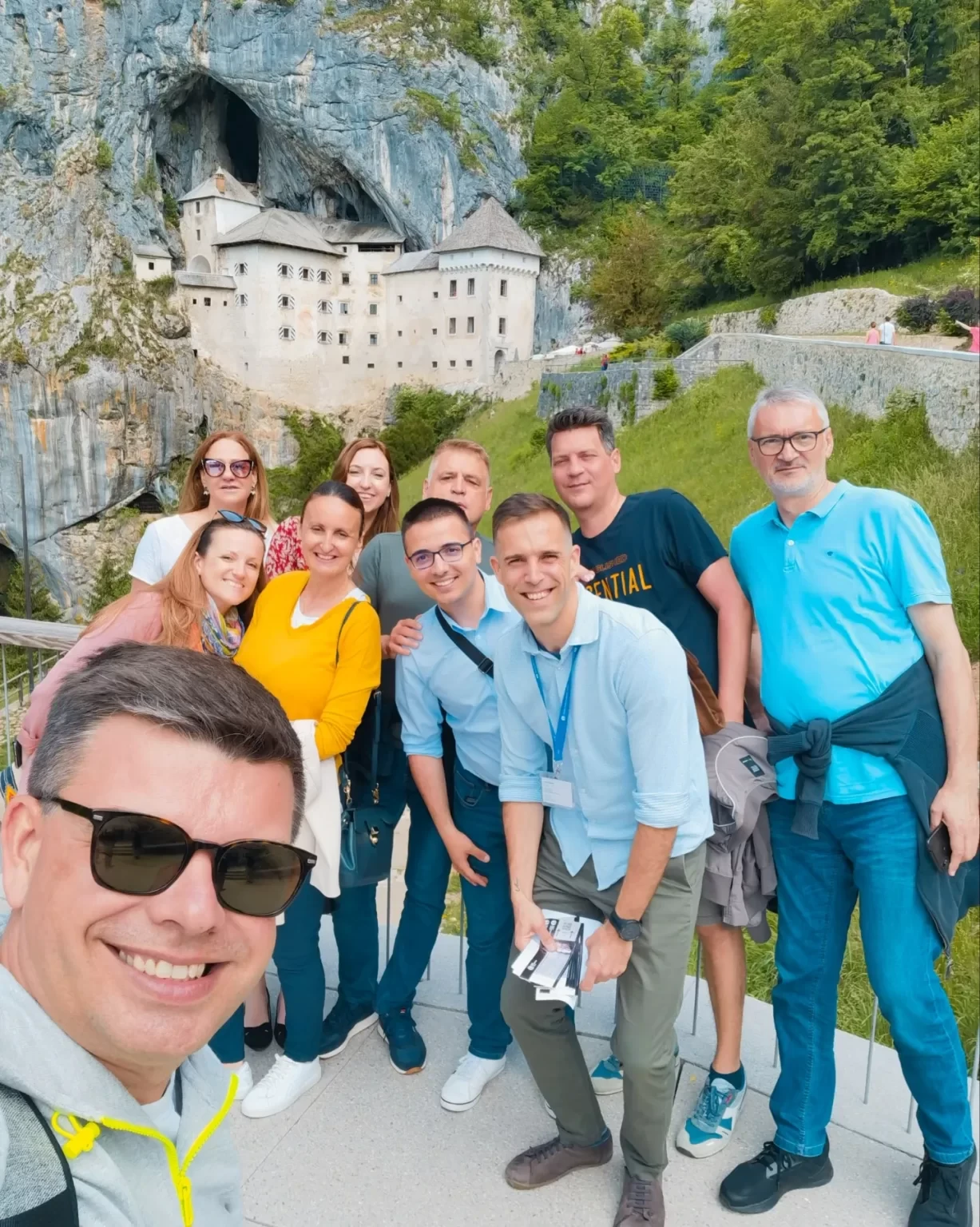
After this necessary introduction to the subject matter, in the following, we will focus on how study trips can create additional value and a competitive advantage, and why they should be part of the marketing and sales offer of every destination. Study trips represent a large investment of time, money, and staff, which is why preparation is, above all, very important for achieving these goals. A quality selection of participants, a carefully balanced program, and dedication to the project are the basis of every successful fam trip. As a rule, these trips last a few days and are organized for smaller groups so that a good relationship can be established with each participant and a team-building effect can somehow be achieved, where, in the best case, they act like a team already after the first day and know each other's names. The beauty of nature, the color of the sea and the sound of the waves, the touch of marble woven into the city walls, or simply the dry authenticity of local attractions alongside the unique taste of unavoidable domestic specialties will certainly leave an impression that will take precedence in the decision on choosing a destination at a given moment.

How can study trips create successful destinations? People often believe that study trips have no particular value, but that is probably because things went wrong in the organizational process. Here are a few tips on how to successfully launch a study trip.
First-Hand Experience As stated in the previous section, study trips provide the best insight into the products and services that a destination offers. In this way, participants can offer perfect products and services to their guests based on their wishes and needs, as well as effectively inform their clients about what they can expect. In addition, participants will be able to provide quality content, details, and photos for their future publications. For example, on a trip, they can meet a chef who has a fascinating life story or a unique recipe for social media posts.
A Valuable Marketing Tool When it comes to the benefits of hosting media staff, it should be noted that study trips are the most accessible channel to the target audience. Travel writers and photographers participating in these trips are able to produce content that provides exceptional media coverage. It is extremely important not to overdo it with activities, excursions, tours, and tastings, because it is necessary to leave some free time that everyone needs on any trip.
Expanding the Professional Network Another advantage is that guests of fam trips can expand their professional network by building connections with other participants who will have different types of expertise in the field. Most of these trips include breaks in activities so that participants can relax while socializing with other professionals. This schedule gives them time to get in touch with colleagues from the industry and exchange experiences. By developing long-lasting relationships with other participants, they will also gain better deals for themselves and their future clients.
Managing Expectations Sending a proposed itinerary in advance is a good way to manage participants' expectations. It is also good to organize a meeting a week in advance to go through the itinerary and add details. Managing expectations is one way to ensure that participants are not disappointed during the fam trip.
Creating Connections You would think that showcasing the destination and tourist products is the first priority during study trips, but it shouldn't be so. The main task should be making connections with the trip participants, and that is why it is necessary to get feedback. Questions or suggestions? Communication lines must be open to see what worked and what didn't. Feedback can be crucial in the future.
Study trips represent a valuable and useful tool for expanding knowledge, gaining practical experience, and getting to know new cultures, and finally, it is perhaps best to highlight successful examples of organization.